
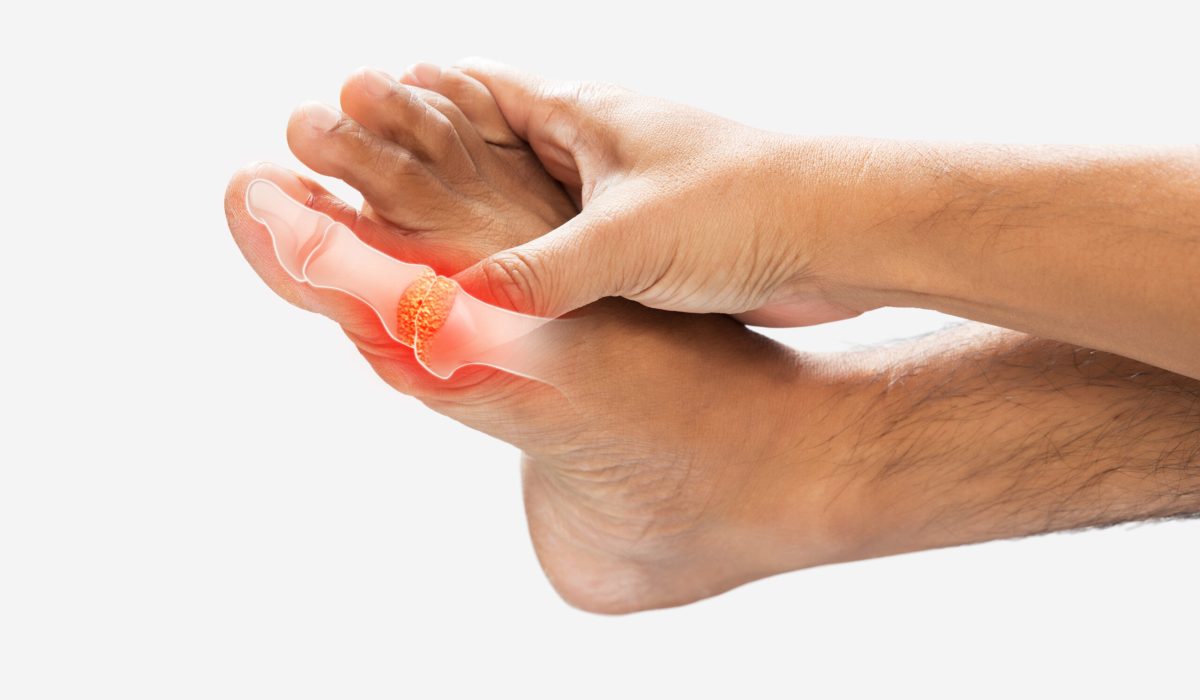
Gout is a common form of arthritis, yet often misunderstood. By learning about it, you’re taking the first step towards managing it effectively. This guide serves as a comprehensive introduction to gout and symptoms—a condition that can affect anyone, although it most commonly strikes men, especially as they age. In this guide, we’ll delve into the causes, symptoms, and strategies for managing this condition effectively.
What is Gout?
Gout is a form of arthritis that causes intense pain, swelling, and stiffness in a joint. It usually affects the big toe but can occur in other joints as well. Gout attacks occur when there’s a buildup of uric acid in your blood. When the body breaks down substances known as purines, it forms uric acid. While this acid usually dissolves in the blood and passes through the kidneys, sometimes it can build up and form sharp, needle-like crystals in a joint, leading to unbearable pain.
Causes of Gout
- Diet: Consuming high-purine foods like red meat and seafood increases uric acid levels.
- Alcohol Consumption: Beer, in particular, can raise uric acid.
- Genetics: If your family members have it, your risk might be higher.
- Medical Conditions: Obesity, diabetes, and hypertension can elevate risks.
Recognizing Gout and Symptoms
Early recognition of gout and symptoms is key for management. What starts as mild discomfort can increase to debilitating pain quickly. The symptoms can be sudden and may trigger in the middle of the night.
- Intense Joint Pain: Often in the big toe, though knees, ankles, elbows, and wrists are also common.
- Lingering Discomfort: Even after the initial pain subsides, the discomfort might last even a few weeks.
- Inflammation and Redness: The affected joint can swell, turn red, and be warm.
Elevated Uric Acid Symptoms to Watch For
Experiencing elevated uric acid symptoms can be an early warning sign. These symptoms indicate higher levels of uric acid in the blood, hinting at possible gout flares-ups in the future.
- Painful Swelling: Especially in the toe, as uric acid crystallizes.
- Tenderness: Even a light touch can trigger sharp pain.
Managing Gout and Symptoms
Managing gout and symptoms involves lifestyle changes and medication. Catching early signs can help prevent severe attacks. What helps is understanding triggers and knowing how to avoid them.
Lifestyle Adjustments
- Healthy Diet: Choose low-purine foods. Fresh vegetables and whole grains are excellent choices.
- Limit Alcohol: Reducing consumption, especially of beer, can help.
- Stay Hydrated: Drinking plenty of water helps eliminate uric acid.
Relief for Gout Pain
When an attack strikes, getting relief for gout pain quickly is essential. Here are a few tips:
- Rest: Keeping the joint still can prevent pain from worsening.
- Ice: Apply ice packs to reduce swelling.
- Over-the-Counter Pain Relief: Nonprescription painkillers can provide temporary comfort.
Understanding Symptoms of High in Uric Levels
Symptoms of high in uric levels can subtly hint at the potential for a gout attack. These symptoms include prolonged joint pain and noticeable joint swelling.
High Uric Symptoms—What They Mean
When you experience high uric symptoms, it serves as a signal to take preventative steps. Regular monitoring of uric acid levels is beneficial to catching potential issues early.
Treatment for Gout Pain
While lifestyle changes are crucial, sometimes medications become necessary to provide treatment for gout pain and bring uric acid levels down.
- Non-steroidal anti-inflammatory drugs (NSAIDs) can be effective.
- Corticosteroids like prednisone may be prescribed during severe attacks.
- Colchicine is often used at the onset of an attack.
Choosing the Best Medicine for High Uric Acid
Finding the best medicine for high uric acid levels involves consulting with a healthcare professional who understands your symptoms and history.
- Allopurinol reduces the production of uric acid.
- Febuxostat is another option, often recommended when allopurinol isn’t suitable.
Step-by-Step Guide to Treat Gout Toe
The big toe is a common spot for gout attacks. To treat gout toe effectively at home, follow these steps:
- Elevate: Raise the affected toe to reduce swelling.
- Apply Ice: Regular icing can numb pain and cut off swelling.
- Pain Relief: Use appropriate painkillers as advised by your doctor.
Stories of Success – Living Well with Gout
Many individuals have successfully managed to continue a normal life despite having gout. Listening to stories and testimonials from those who have found effective solutions can provide much-needed motivation and advice on management.
- John’s Story: After discovering his triggers, John’s diet adjustments led to fewer attacks.
- Lisa’s Journey: Regular exercises and stretching exercises kept her joints nimble, reducing occurrences.
- Pete’s Routine: Consistent hydration and reduced beer intake made his flare-ups far less frequent.
Conclusion
Understanding gout and symptoms begins with awareness. By recognizing the early signs and knowing the elevated uric acid symptoms, you can adopt proactive measures that significantly reduce the frequency and severity of flare-ups. With lifestyle adjustments and appropriate treatment for gout pain, living with gout becomes a manageable task rather than a relentless adversary. Stay informed, make smart choices, and don’t hesitate to consult healthcare professionals for personalized strategies that could be pivotal in your gout management journey. This guide is just the beginning of taking back control over your symptoms and longing for a pain-free life.