
Introduction to Systemic Lupus Erythematosus (SLE)
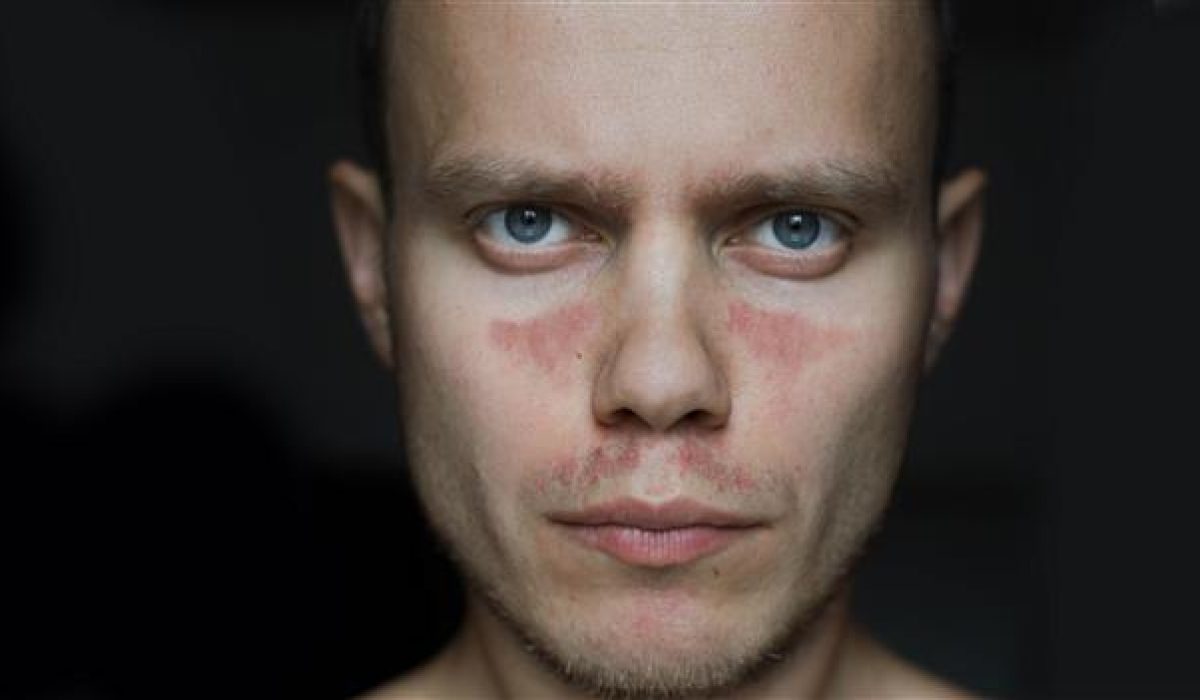
Systemic lupus erythematosus (SLE) is a long-term autoimmune disease. In SLE, the immune system attacks healthy tissues by mistake. Because of this, many body parts can be affected, including the skin. In fact, skin problems in systemic lupus erythematosus are very common. For many people, skin changes are the first sign of lupus. Understanding these issues can help you manage them better.
Common Skin Problems in SLE
People with SLE may notice different types of skin problems. Some are mild, while others can be more serious. For example, you may see:
Additionally, some people may have hives or dark spots. These skin rashes in lupus can appear suddenly or develop over time.
Symptoms and How to Recognize Skin Issues
It is important to spot lupus skin symptoms early. Early recognition can help prevent complications. Look for these signs:
Sometimes, these symptoms may come and go. However, if you notice new or worsening skin changes, it is wise to seek medical advice.
Causes and Risk Factors for Skin Manifestations
Several factors can lead to skin problems in SLE. The main cause is the immune system attacking the skin. However, other triggers can make symptoms worse. For instance:
Moreover, people with lighter skin may notice redness more easily. But lupus skin problems can affect anyone, regardless of skin color.
Diagnosis of Skin Problems in SLE
Doctors use several methods to diagnose lupus skin issues. First, they will ask about your symptoms and medical history. Next, they may examine your skin closely. Sometimes, a skin biopsy is needed. In this test, a small piece of skin is removed and checked under a microscope. Blood tests can also help confirm SLE. Early diagnosis is important for proper treatment.
Treatment and Management Options
Managing lupus skin problems often requires a mix of treatments. Your doctor may suggest:
In some cases, light therapy or other treatments may be used. However, always follow your doctor’s advice for managing lupus skin problems.
Lifestyle Tips and Prevention
Simple lifestyle changes can help reduce lupus skin symptoms. For example, you can:
Additionally, if you live in a sunny area, take extra care to protect your skin. These lupus skin care tips can help prevent flare-ups.
When to See a Doctor
Although many skin problems in SLE can be managed at home, some need medical attention. See a doctor if you notice:
Early treatment can prevent complications and improve your quality of life.
For personalized advice on managing skin problems in lupus, consult a rheumatologist or dermatologist. They can help you find the best treatment plan for your needs.