
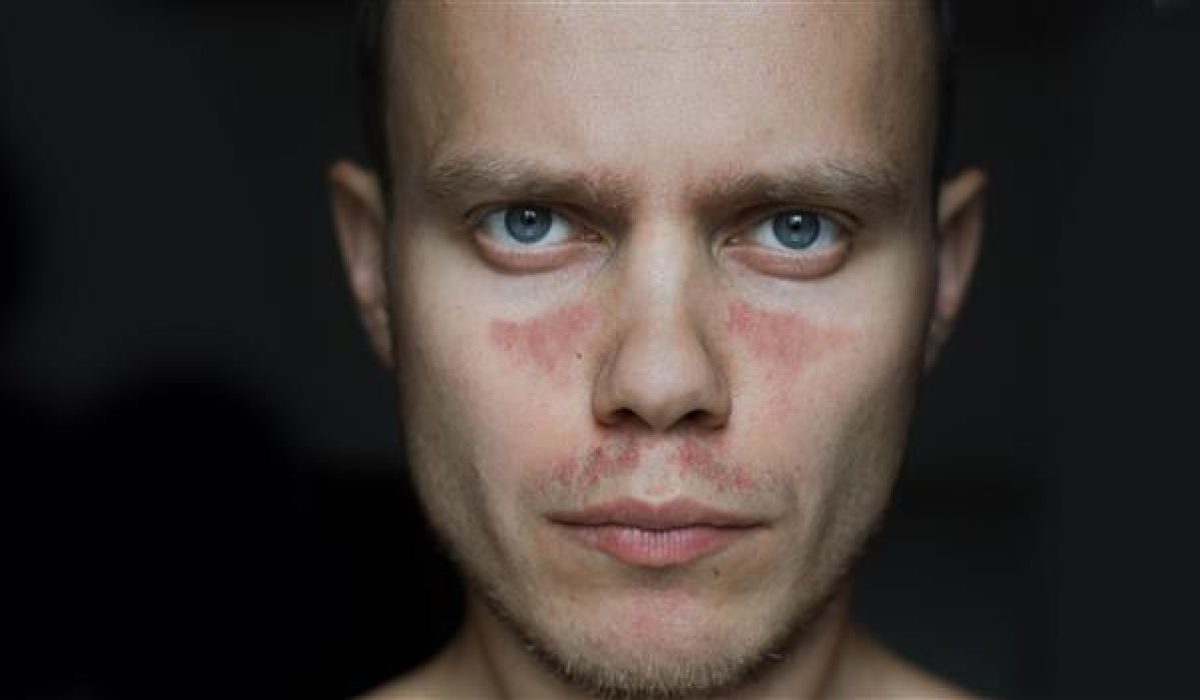
Systemic Lupus Erythematosus (SLE) is a long-term autoimmune disease. It can affect many parts of the body, including the skin. Skin problems in Systemic Lupus Erythematosus are common and can cause discomfort or worry. Because these issues can look different for each person, it is important to know the signs, causes, and ways to manage them. In this blog, we will explain lupus skin rash, SLE skin symptoms, and treatment for lupus skin issues in simple terms.
What is Systemic Lupus Erythematosus?
SLE is a disease where the immune system attacks healthy tissues. Usually, the immune system protects us from germs. However, in SLE, it mistakes the body’s own cells as threats. As a result, this can cause swelling and damage in many organs, including the skin, joints, kidneys, and heart. SLE is more common in women and often starts between ages 15 and 45. Although the cause is not fully known, both genes and the environment play a role.
Common Skin Problems in SLE
Many people with SLE have skin issues. These problems can appear in different ways. Some of the most common lupus skin rashes and SLE skin symptoms include:
Symptoms of Skin Problems in SLE
Skin symptoms in lupus can be mild or severe. For example, you may notice redness, swelling, or itching. Sometimes, the skin may feel sore or burn. In addition, rashes can appear suddenly or after being in the sun. Some people get sores in their mouth or nose. Hair loss can also be a sign. Because these symptoms can look like other skin diseases, it is important to see a doctor for the right diagnosis.
Causes and Risk Factors
While the exact cause of SLE is not clear, several factors can increase the risk of skin problems in lupus. For instance, genes can make some people more likely to get SLE. Sunlight is a common trigger for lupus skin rashes. Certain medicines, infections, or stress can also make symptoms worse. Women, especially those of African, Asian, or Hispanic descent, have a higher risk. Smoking and hormonal changes may also play a role.
Diagnosis of Skin Issues in SLE
Doctors use several steps to diagnose skin problems in SLE. First, they will ask about your symptoms and medical history. Next, they may do a physical exam to look at your skin. Sometimes, a skin biopsy is needed. This means taking a small piece of skin to check under a microscope. Blood tests can also help find signs of lupus. Early diagnosis is important, so you can start treatment and prevent more problems.
Treatment and Management Options
There are many ways to manage lupus skin problems. Treatment depends on the type and severity of the rash or sores. Common options include:
Because each person is different, your doctor will choose the best treatment for you. According to the Centers for Disease Control and Prevention (CDC), and medical guidelines, regular check-ups are important to track your progress.
Lifestyle Tips and Prevention
Simple lifestyle changes can help manage and prevent lupus skin issues. For example, try these tips:
In some places, like hot or sunny regions, extra care is needed to protect your skin. Always talk to your healthcare provider about the best steps for your area.
In summary, skin problems in Systemic Lupus Erythematosus can be managed with the right care and support. If you notice new or worsening skin symptoms, consult a rheumatologist or dermatologist for personalized advice on managing skin problems in lupus.