
Introduction to Osteoarthritis and Its Impact on Daily Life
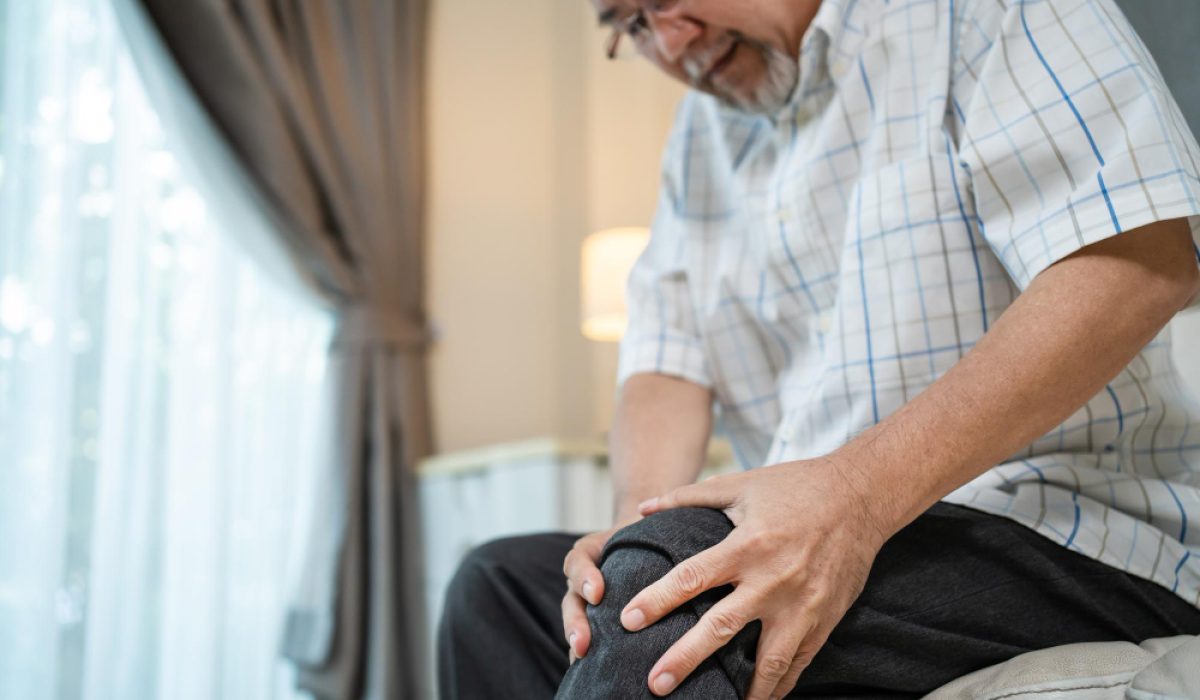
Osteoarthritis is a common joint condition that affects millions of people worldwide. It happens when the protective cartilage in your joints wears down over time. As a result, many people feel pain, stiffness, and swelling. Osteoarthritis pain management is important because it helps you stay active and enjoy daily life. For many, simple tasks like walking or climbing stairs can become hard. However, with the right care, you can manage pain and improve your quality of life.
Common Symptoms and Causes of Osteoarthritis Pain
Osteoarthritis pain often starts slowly and gets worse over time. You may notice pain in your knees, hips, hands, or spine. In addition, you might feel stiffness, especially in the morning or after resting. Swelling and a grating feeling in the joint are also common. The main cause is the breakdown of cartilage, which cushions your joints. Age, joint injury, obesity, and family history can increase your risk. Because these factors add stress to your joints, pain can become a daily problem.
Diagnosis: How Osteoarthritis Is Identified
Doctors use several steps to diagnose osteoarthritis. First, they ask about your symptoms and medical history. Next, they check your joints for swelling, pain, and movement. X-rays can show changes in the joint, such as bone spurs or loss of space. Sometimes, doctors use MRI scans for a closer look. Blood tests may help rule out other causes of joint pain. Early diagnosis is important because it helps you start osteoarthritis pain management sooner.
Medical Treatments for Pain Relief
There are many ways to treat osteoarthritis pain. Your doctor may suggest:
Because each person is different, your doctor will help you choose the best treatments for osteoarthritis.
Lifestyle Modifications
Making changes in your daily habits can make a big difference. For example, regular exercise helps keep your joints flexible and strong. Low-impact activities like walking, swimming, or cycling are good choices. If you are overweight, losing even a small amount of weight can ease pressure on your joints. In addition, using joint protection techniques, such as wearing supportive shoes or using assistive devices, can help reduce pain. Remember, small changes add up over time.
Home Remedies and Self-Care Tips
Many people find relief with simple home remedies. You can try:
However, always talk to your doctor before starting new treatments at home.
Prevention and Long-Term Management Strategies
While you cannot always prevent osteoarthritis, you can lower your risk. Staying active, maintaining a healthy weight, and protecting your joints are key steps. For long-term osteoarthritis pain management, follow your treatment plan and keep up with regular check-ups. In addition, learning about your condition helps you make better choices every day.
When to Seek Medical Advice
If your pain gets worse or you notice new symptoms, it is important to see a doctor. Also, seek help if you have trouble moving a joint or if swelling does not go away. Early treatment can prevent more damage and help you feel better sooner.
Conclusion
Osteoarthritis pain can affect your daily life, but many strategies can help. By working with your doctor and making healthy changes, you can manage pain and stay active. Consult a rheumatologist for personalized osteoarthritis pain management advice.