
Introduction
Gout is a common form of arthritis that causes sudden, severe joint pain. Many people confuse gout with other types of arthritis, such as osteoarthritis or rheumatoid arthritis. However, each type has unique causes, symptoms, and treatments. Understanding these differences helps you manage your health better. In this blog, we will explore gout, compare it with other arthritis types, and discuss symptoms, diagnosis, and treatment options.
What is Gout?
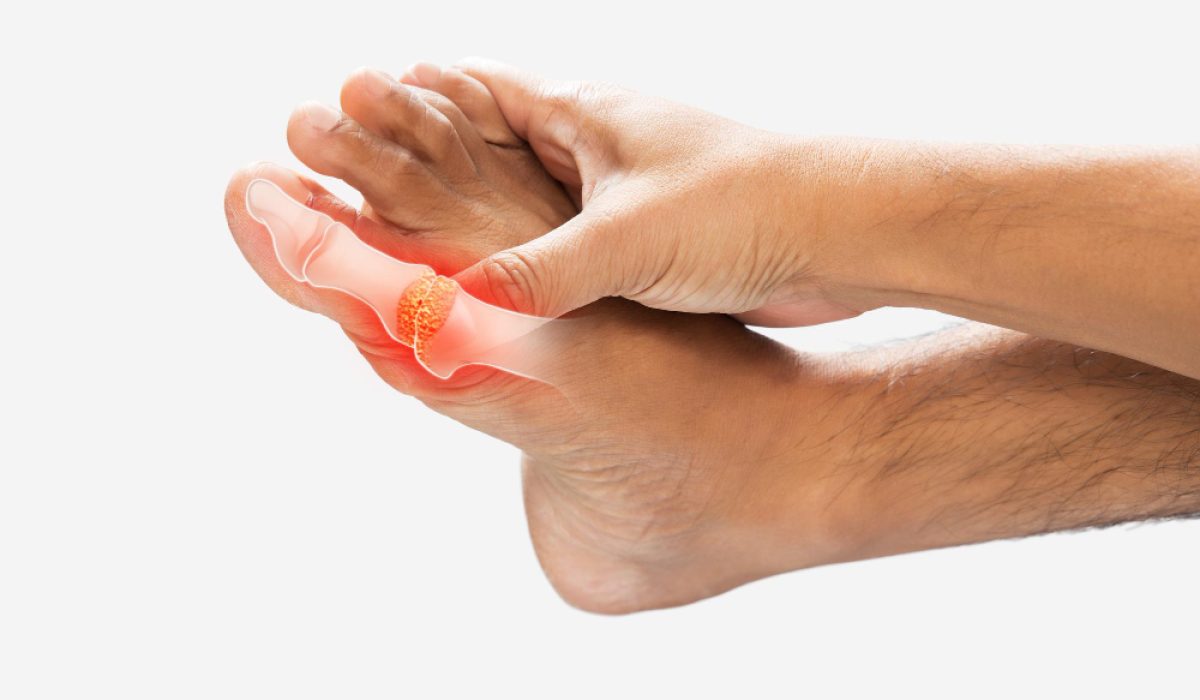
Gout is a type of arthritis caused by a buildup of uric acid crystals in the joints. Uric acid forms when your body breaks down certain foods. Normally, your kidneys remove uric acid from your blood. But sometimes, your body makes too much or your kidneys cannot remove enough. As a result, uric acid builds up and forms sharp crystals in the joints.
Several factors can increase your risk of developing gout. For example, eating foods high in purines, such as red meat and seafood, can raise uric acid levels. Drinking alcohol, especially beer, also increases risk. Other risk factors include obesity, certain medications, and family history.
Common Symptoms of Gout
Symptoms of Gout vs Other Arthritis Types
Gout symptoms often appear quickly and are very painful. However, other types of arthritis may have different signs. Knowing the difference between gout and arthritis can help you seek the right care.
Diagnosis of Gout
Doctors use several methods to diagnose gout. First, they ask about your symptoms and medical history. Next, they examine the affected joint. Often, they may order tests such as:
Sometimes, symptoms alone are enough for a diagnosis. However, tests help confirm gout and rule out other types of arthritis.
Treatment Options for Gout
There are several gout treatment options. Early treatment can help prevent joint damage. Doctors may recommend:
In addition, lifestyle changes can help manage gout. For example, losing weight and limiting foods high in purines can lower uric acid. Drinking plenty of water also helps.
Prevention and Lifestyle Guidance
Preventing gout attacks is possible with some healthy habits. Here are some tips:
With these steps, you can lower your risk of gout and improve joint health.
When to See a Doctor
It is important to see a doctor if you have:
Early treatment can prevent complications. Therefore, do not ignore warning signs.
Frequently Asked Questions (FAQs)
Conclusion & Call-to-Action
In summary, gout is a unique form of arthritis with sudden, severe symptoms. It differs from osteoarthritis and rheumatoid arthritis in many ways. Early diagnosis and proper treatment can help you manage gout and prevent joint damage. If you have joint pain or swelling, consult a healthcare professional for personalized advice on gout and arthritis. Your doctor can guide you to the best treatment options for your needs.