
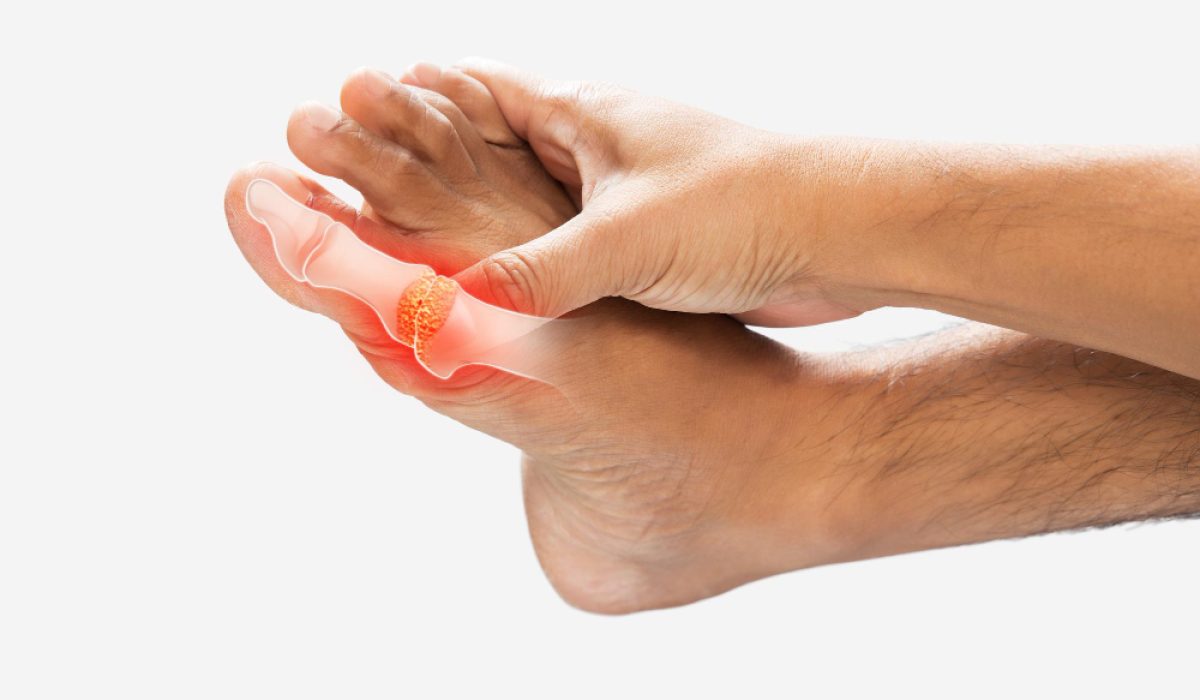
What is Gout?
Gout is a type of arthritis that causes sudden, severe joint pain. It often affects the big toe, but it can also impact other joints. Gout happens when uric acid builds up in the blood. This acid forms sharp crystals in the joints, leading to pain and swelling. Many people confuse gout with other types of arthritis, but there are key differences.
How Does Gout Differ from Other Types of Arthritis?
Although gout is a form of arthritis, it is different from osteoarthritis and rheumatoid arthritis. For example, gout attacks come on quickly, while other types may develop slowly. In addition, gout is caused by uric acid crystals, but osteoarthritis is due to joint wear and tear. Rheumatoid arthritis, on the other hand, is an autoimmune disease. Understanding these differences helps with the right treatment.
Symptoms of Gout vs Other Arthritis Types
Gout symptoms often appear quickly and are very painful. However, other types of arthritis may have different signs. Knowing the difference between gout and arthritis can help you seek the right care.
Causes and Risk Factors
Gout is mainly caused by high levels of uric acid in the blood. This can happen for many reasons. For instance, eating foods rich in purines, like red meat or seafood, can raise uric acid. Other types of arthritis have different causes. Osteoarthritis is linked to aging and joint use, while rheumatoid arthritis is related to the immune system.
Diagnosis Methods
Doctors use several ways to diagnose gout and other types of arthritis. First, they ask about your symptoms and medical history. Next, they may check your joints and order tests. For gout, a doctor might take fluid from a swollen joint to look for uric acid crystals. Blood tests and X-rays can also help rule out other types of arthritis.
Treatment Options
Treating gout often involves medicine to lower pain and reduce uric acid. However, treatment for other types of arthritis may be different. Early treatment can help prevent joint damage and improve quality of life.
Lifestyle Tips and Prevention
Making healthy choices can help prevent gout attacks and manage arthritis. For example, drinking plenty of water and eating a balanced diet are helpful. In addition, staying active and keeping a healthy weight can lower your risk.
When to See a Doctor
If you have sudden, severe joint pain, see a doctor right away. Early care can prevent lasting joint damage. Also, if you have ongoing joint pain, swelling, or stiffness, talk to a healthcare provider. They can help find the cause and suggest the best treatment for you.
For personalized advice on gout and arthritis management, consult a rheumatologist. Early treatment can make a big difference in your joint health.