
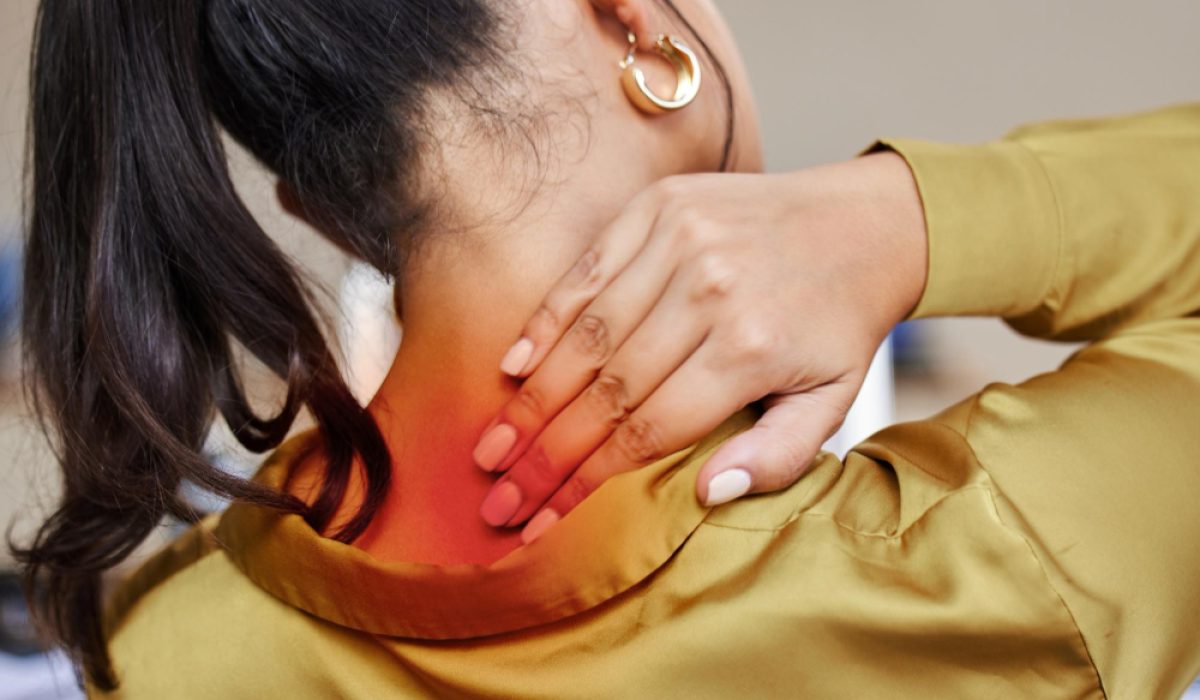
What is Polymyositis?
Polymyositis is a rare autoimmune muscle disease. It causes muscle weakness and inflammation. In this condition, the immune system attacks healthy muscle tissue. As a result, daily tasks can become difficult. However, with the right care, many people manage their symptoms well. Early treatment can help you reach remission and improve your quality of life.
Common Symptoms
Polymyositis often develops slowly. For many, the first sign is muscle weakness. Usually, this weakness affects both sides of the body. Over time, other symptoms may appear. For example, you might notice:
Because these symptoms can look like other conditions, it is important to see a doctor for a proper diagnosis.
Causes and Risk Factors
Doctors do not know the exact cause of polymyositis. However, it is an autoimmune disease, which means the body’s defense system attacks its own muscles. Several factors may increase your risk. For instance, women are more likely to develop polymyositis than men. Also, most cases occur in adults between ages 30 and 60. In some cases, infections or certain genes may play a role. Even so, the disease is not contagious.
Diagnosis
Getting a diagnosis can take time. First, your doctor will ask about your symptoms and medical history. Next, they may do a physical exam to check muscle strength. To confirm polymyositis, doctors often use several tests, such as:
Because early diagnosis helps prevent muscle damage, it is important to seek help if you notice symptoms.
Treatment Options
There is no cure for polymyositis, but treatment can control symptoms and help you reach remission. Most people start with medications. For example, doctors often prescribe corticosteroids to reduce inflammation. If needed, other drugs that suppress the immune system may be added. In addition, physical therapy helps improve strength and flexibility. Sometimes, speech or occupational therapy is needed. Regular follow-ups with your healthcare team are important to track progress and adjust treatment.
Tips for Living Well and Achieving Remission
Living with polymyositis can be challenging. Yet, many people find ways to manage their symptoms and enjoy daily life. Here are some practical remission tips for polymyositis:
Because support is important, consider joining a patient group or talking with others who have polymyositis.
Lifestyle Changes and Self-Care
Healthy habits can make a big difference. For instance, eating a balanced diet supports muscle health. In addition, gentle exercise, like walking or swimming, can help maintain strength. However, always check with your doctor before starting new activities. Other self-care tips include:
Because self-care supports your treatment, make these changes part of your daily routine.
Prevention and Monitoring
While you cannot always prevent polymyositis, early action can reduce complications. For example, regular check-ups help your doctor spot changes early. Monitoring your symptoms helps you notice flares quickly. In addition, keeping up with vaccines and avoiding infections can protect your health. If you notice new or worsening symptoms, contact your healthcare provider right away.
When to See a Doctor
It is important to seek medical help if you notice muscle weakness, pain, or trouble swallowing. Also, if your symptoms get worse or do not improve with treatment, call your doctor. Early care can prevent serious problems and help you reach remission sooner.
For personalized advice on managing polymyositis, consult a rheumatologist. They can help you create a plan that fits your needs and supports your journey to remission.