
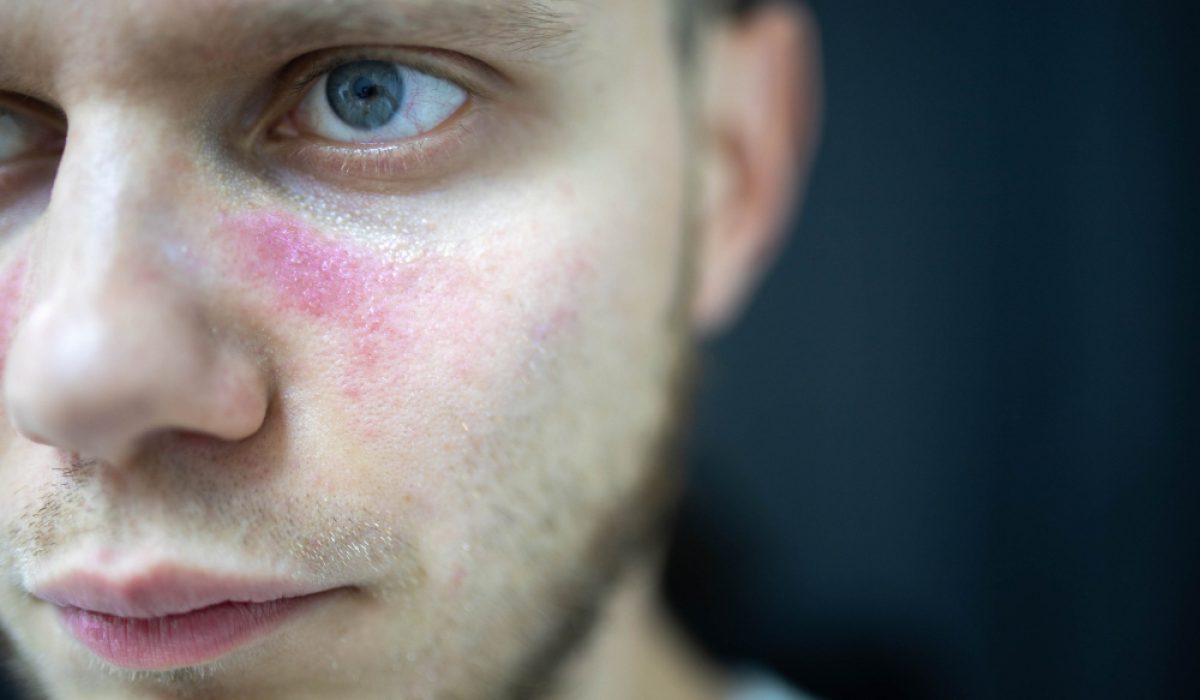
What is SLE?
SLE, or Systemic Lupus Erythematosus, is a long-term autoimmune disease. In this condition, the immune system attacks healthy tissues by mistake. As a result, it can affect many parts of the body, such as the skin, joints, kidneys, and heart. Although SLE is more common in women, anyone can get it. According to the Centers for Disease Control and Prevention (CDC), SLE affects people worldwide, but it is more common in some ethnic groups. Early understanding of SLE symptoms and causes helps with better management.
Common Symptoms of SLE
Because SLE can affect many organs, symptoms can vary. However, some signs are more common than others. If you notice these symptoms, it is important to talk to a doctor.
Sometimes, symptoms come and go. These periods are called flares. Even so, regular check-ups can help manage SLE symptoms better.
Causes and Risk Factors
Doctors do not know the exact cause of SLE. However, several factors may increase the risk. Understanding these can help with early detection.
While these factors increase risk, not everyone with them will develop SLE. Still, knowing your risk can help you watch for early signs.
How SLE is Diagnosed
Diagnosing SLE can be tricky because symptoms often look like other illnesses. Even so, doctors use several steps to make a diagnosis. Early SLE diagnosis is important for better outcomes.
Because SLE symptoms can change over time, doctors may need to repeat tests. Therefore, regular follow-ups are important for people with SLE.
Treatment Options for SLE
Although there is no cure for SLE, treatment can help control symptoms and prevent damage. Treatment plans depend on the organs affected and how severe the symptoms are. According to the World Health Organization (WHO), early treatment improves quality of life.
Doctors may adjust treatment as symptoms change. Therefore, regular visits help keep SLE under control.
Lifestyle Tips for Living with SLE
Living with lupus can be challenging. However, some lifestyle changes can make a big difference. These tips can help manage SLE symptoms and improve daily life.
With these steps, many people find it easier to live with lupus. Even so, support from family and friends is also important.
Prevention and Early Detection
Currently, there is no known way to prevent SLE. However, early detection can help limit damage. If you have a family history or risk factors, watch for early SLE symptoms. Regular check-ups and open talks with your doctor can help catch SLE early. As a result, treatment can start sooner, and flares may be less severe.
When to See a Doctor
If you notice symptoms like ongoing fatigue, joint pain, or skin rashes, see a doctor soon. Early SLE diagnosis and treatment can prevent serious problems. Additionally, if you have SLE and notice new or worsening symptoms, contact your healthcare provider right away. Quick action can help manage flares and protect your health.
For personalized advice about SLE, consult a rheumatologist or healthcare provider. Early care and support make a big difference in living with lupus.