
What Is Gout?
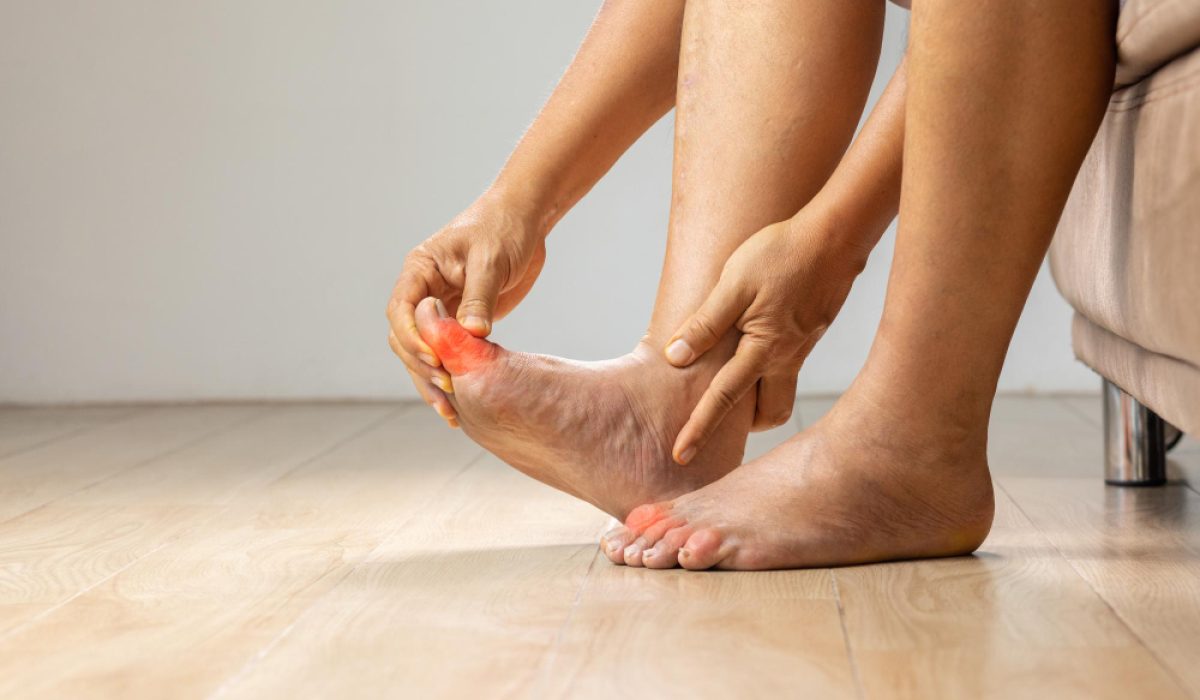
Gout is a type of arthritis that causes sudden pain, swelling, and redness in the joints. Most often, it affects the big toe. However, it can also impact other joints like the ankles, knees, or fingers. Gout happens when uric acid builds up in the blood. This extra uric acid forms sharp crystals in the joints. As a result, people feel intense pain and discomfort. Many people search for information about gout causes, gout symptoms, and gout diagnosis. Understanding these basics helps you spot the signs early and seek help.
Causes of Gout
Gout develops when there is too much uric acid in the body. Uric acid is a waste product that forms when your body breaks down certain foods. Normally, your kidneys remove uric acid through urine. But sometimes, the body makes too much, or the kidneys cannot remove enough. This leads to a buildup.
Because these factors raise uric acid levels, they increase the risk of gout. Even so, not everyone with high uric acid will get gout.
Symptoms of Gout
Gout symptoms often appear suddenly, usually at night. The pain can be very strong. For example, you may wake up with a throbbing big toe. Other joints can also be affected. Here are common signs to watch for:
Sometimes, gout attacks last a few days or up to a week. Afterward, the joint may feel normal again. However, without treatment, attacks can happen more often and affect more joints.
How Gout Is Diagnosed
Doctors use several steps to diagnose gout. First, they ask about your symptoms and medical history. Next, they examine the affected joint. Often, they look for swelling, redness, and tenderness. To confirm gout, doctors may order tests, such as:
Because other types of arthritis can look similar, these tests help doctors make the right diagnosis. Early diagnosis is important for proper treatment and to prevent joint damage.
Conclusion
Gout is a painful type of arthritis caused by too much uric acid in the body. It leads to sudden joint pain, swelling, and redness. Knowing the causes and symptoms can help you seek help early. If you think you have gout, consult a specialist for personalized guidance.