
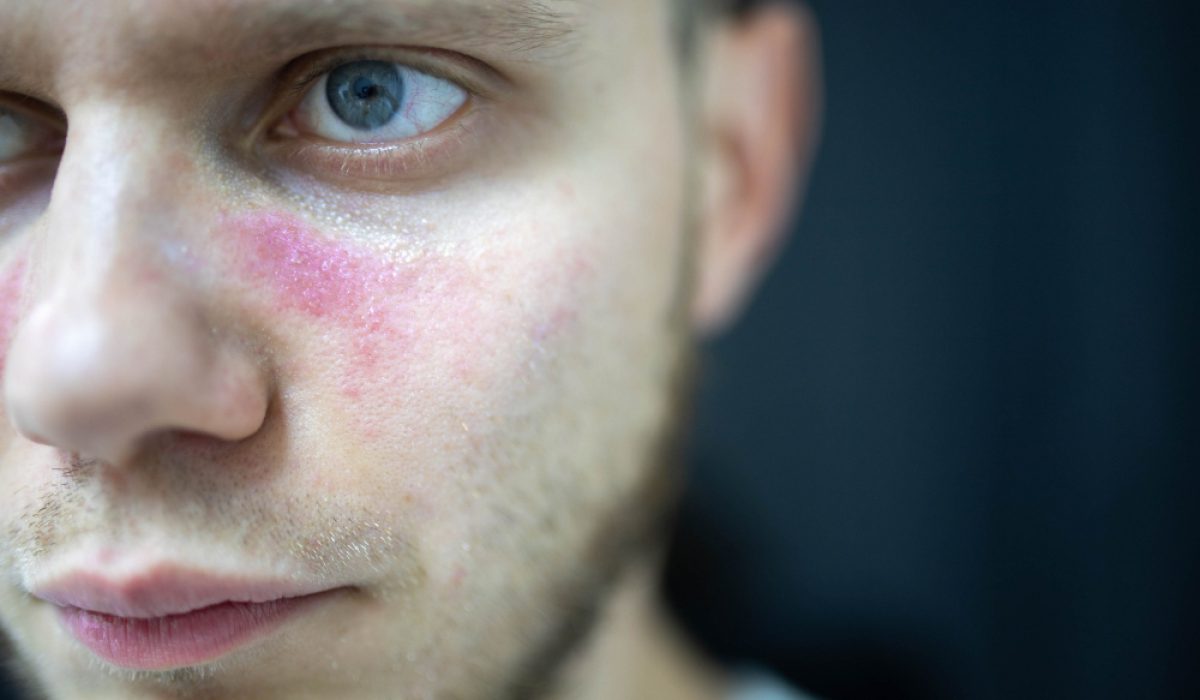
What is SLE?
SLE, or Systemic Lupus Erythematosus, is a long-term autoimmune disease. In SLE, the immune system attacks healthy tissues by mistake. As a result, this can cause swelling, pain, and damage in many parts of the body. SLE can affect the skin, joints, kidneys, heart, lungs, and brain. Although anyone can get SLE, it is more common in women, especially those aged 15 to 45. According to the CDC, SLE is more common in certain ethnic groups, such as African Americans, Hispanics, and Asians.
Common Symptoms of SLE
Because SLE can affect many organs, symptoms may vary. However, some signs are more common than others. Early detection of SLE symptoms can help with better management. Watch for these signs:
Sometimes, symptoms come and go. For example, you may feel fine for weeks, then have a flare-up. Because SLE symptoms can look like other illnesses, it is important to see a doctor for a proper diagnosis.
Causes and Risk Factors
Doctors do not know the exact cause of SLE. However, several factors may increase your risk. These include:
Even though these factors increase risk, not everyone with them will get SLE. Sometimes, SLE develops without any clear reason.
How SLE is Diagnosed
Diagnosing SLE can be challenging. This is because symptoms often mimic other diseases. Still, doctors use several steps to make a diagnosis:
Doctors may use guidelines from the American College of Rheumatology to help confirm SLE. Early SLE diagnosis is important for better outcomes.
Treatment Options for SLE
While there is no cure for SLE, treatment can help control symptoms and prevent damage. Treatment plans depend on your symptoms and which organs are affected. Common SLE treatment options include:
Because SLE treatment can have side effects, regular doctor visits are important. Your doctor will adjust your treatment as needed.
Lifestyle Tips for Living with SLE
In addition to medicines, healthy habits can help you live better with lupus. Try these tips for living with SLE:
With support from family, friends, and your healthcare team, you can manage SLE more easily.
Prevention and Early Detection
Currently, there is no known way to prevent SLE. However, early detection and treatment can help reduce flares and organ damage. If you have a family history of SLE or notice symptoms, talk to your doctor. Regular check-ups can help catch problems early. In some areas, local support groups and clinics offer resources for people living with lupus.
When to See a Doctor
If you notice symptoms like ongoing fatigue, joint pain, or skin rashes, see a doctor soon. Early diagnosis and treatment of SLE can help prevent serious problems. Even if your symptoms seem mild, it is better to get checked. For ongoing care, a rheumatologist is the specialist who treats SLE.
For personalized advice on SLE, consult a rheumatologist or your healthcare provider.