
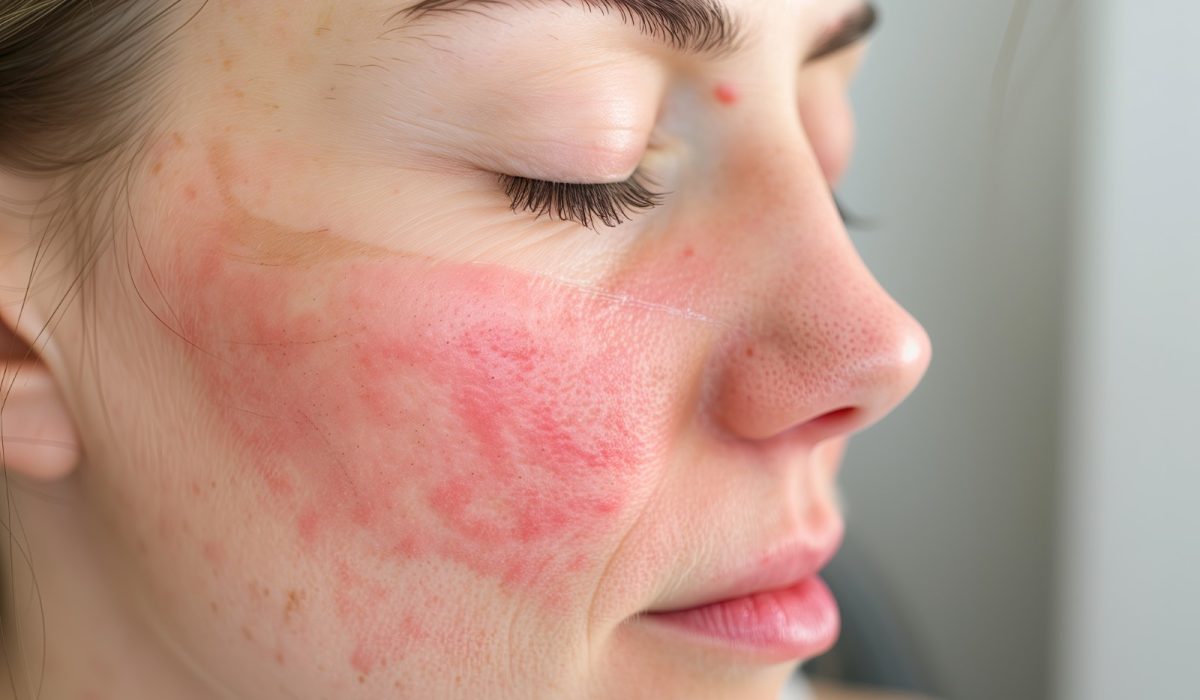
Lupus is a term you might have heard from a friend or read online. It’s a complicated disorder that can confuse people at first. In simple words, lupus happens when the body’s defense system attacks healthy tissues by mistake. This can lead to inflammation in various parts of the body. Let’s dive deeper to uncover the secrets behind this mysterious disease.
Understanding Lupus: Causes, Symptoms, and Diagnosis
Lupus is a long-lasting (chronic) disorder that confuses the immune system into attacking the body’s own healthy tissues. This attack causes inflammation, and sometimes serious damage, to joints, skin, and even the insides of vital organs. This makes living with lupus often challenging.
Recognizing lupus symptoms can be tricky because they vary widely and often imitate other illnesses. Common signs include joint pain, which is often mistaken for arthritis. People also experience extreme tiredness or fatigue, which doesn’t go away with sleep, and skin rashes, especially one that appears across the cheeks and nose called the “butterfly rash.” Other signs include unexplained fevers and mouth sores. The overlap of these symptoms with other conditions can make a lupus diagnosis particularly challenging.
Who’s more likely to get lupus? Well, lupus causes and risk factors show that it mainly affects women, predominantly those between the ages of 15 and 45. Among young women, African Americans, Asians, and Hispanics face a higher chance of developing lupus than their peers.
Diagnosing lupus is not straightforward. It typically involves:
- Obtaining a detailed medical history.
- Blood tests to check for signs of the disorder.
- Urine tests for any abnormalities.
- Imaging tests like X-rays to see any inflammation in organs or joints.
Consulting with a healthcare professional is vital for understanding and managing this disease effectively.
Types of Lupus and Their Impact on Life
There isn’t just one kind of lupus. You might encounter several types of lupus, each with unique characteristics.
- Systemic lupus erythematosus (SLE): This is the most common and serious form. It can attack multiple organs and systems.
- Cutaneous lupus: This type mainly affects the skin. People with this type experience severe rashes and skin changes.
- Drug-induced lupus: Occurs as a reaction to certain medications. Its symptoms are similar to SLE but generally disappear once the drug causing it is stopped.
The presence of lupus can severely impact daily life socially and emotionally. People often face workplace challenges, especially if they are experiencing joint pain or extreme tiredness. Coping with continuous fatigue can make everyday tasks feel overwhelming. Handling stress becomes pivotal because stress can trigger or worsen symptoms.
As for long-term implications, untreated lupus could lead to organ damage over time. There is also an increased risk of infections because the medications used to treat lupus can weaken the immune system. Building and maintaining a strong support network, including family and support groups, can help navigate these challenges.
Managing Lupus: Treatment Options and Lifestyle Adjustments
Dealing with lupus isn’t easy, but with the right lupus treatment options and lifestyle changes, improvements are achievable. Let’s explore how one can manage this condition.
Lupus treatment options include a variety of medicines such as:
- Anti-inflammatories: Reduce pain and swelling in joints.
- Immunosuppressants: Help manage the immune system’s response.
- Antimalarials: Often used for skin symptoms and joint problems.
Medication adherence is crucial. Equally important is to recognize and manage any lupus flare-ups early. These flares are times when symptoms worsen and may require changes in care and medicine.
Lifestyle adjustments can make a big difference. Here are some effective steps:
- Adopt a balanced diet rich in fruits, vegetables, and lean proteins.
- Engage in regular and moderate physical activities like walking.
- Practice stress management techniques such as deep breathing or gentle yoga.
- Protect your skin from the sun with clothing or sunscreen to prevent rash flare-ups.
Taking control of health choices empowers people to live better with lupus. Support groups also provide an avenue for shared experiences and encouragement. Keeping updated with ongoing research and potential new lupus treatment options inspires hope for better management in the future.
Conclusion and Hope for the Future
Understanding what is lupus helps us grasp its effects on the body and life. Recognizing lupus symptoms, getting an accurate lupus diagnosis, and knowing the types of lupus are vital steps. Early detection and the right lupus treatment options can help manage the disease. If you suspect lupus, seek professional advice promptly. Research efforts bring optimism for future breakthroughs in managing lupus effectively.